

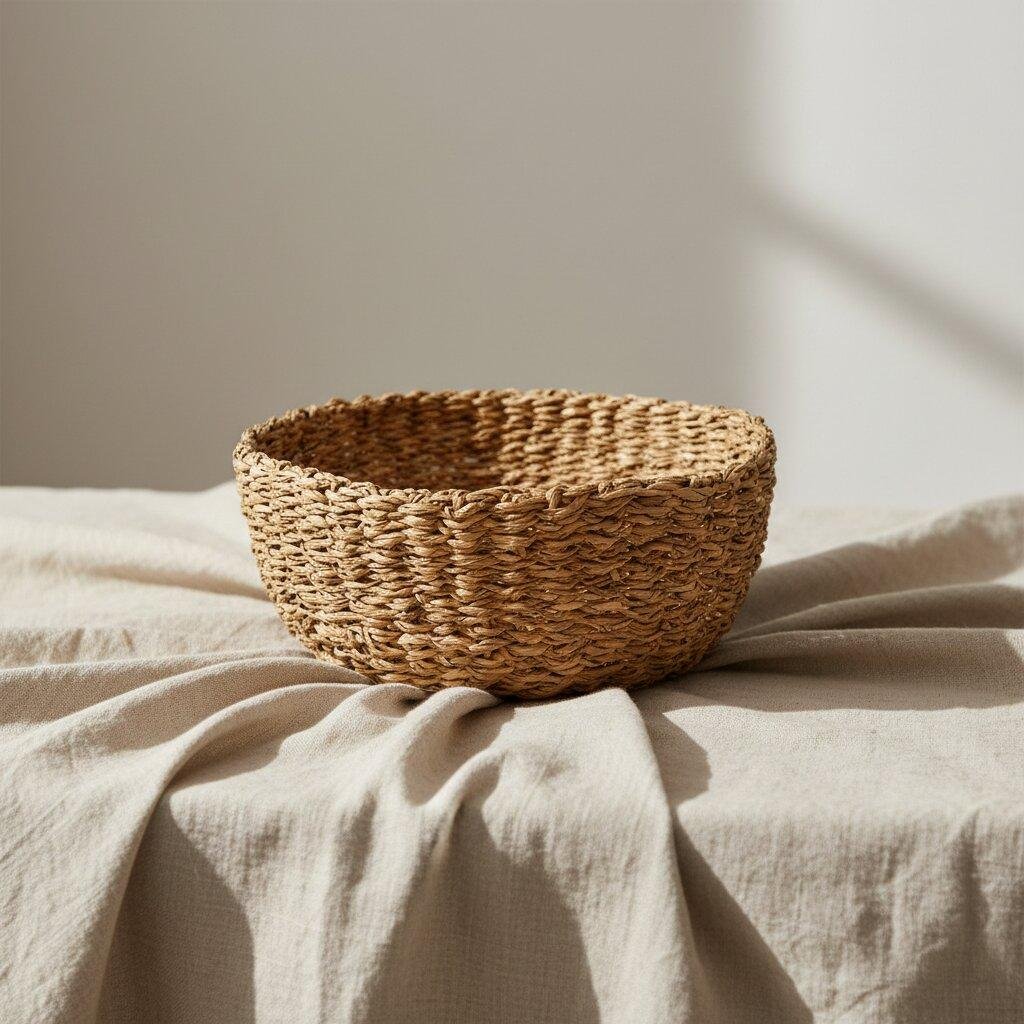
Not everything beautiful needs to be perfectly identical.
Sometimes, it is the uneven edge of a handmade bowl, the variation in a woven basket or the grain of a natural material that makes an object worth keeping. These small details give everyday objects character and make them feel different from products made to look exactly the same.
As modern homes become increasingly influenced by trends and mass-produced décor, handmade objects offer another way to think about design: one that values texture, individuality and the human effort behind an object.
1. What Makes Handmade Objects Special?
Handmade objects often carry subtle variations in shape, colour, texture and finish. These differences can arise from the materials used, the techniques involved and the decisions made during the making process.
Unlike factory-produced items designed for consistency, some handcrafted pieces retain visible traces of the process that created them.
A woven basket may have slight variations in its pattern. A wooden object may reveal a distinctive grain. A hand-shaped ceramic piece may have an individual form.
These details are not necessarily flaws. When they are part of the intended design and the product remains fit for purpose, they can contribute to its character.
2. The Beauty of Natural Materials
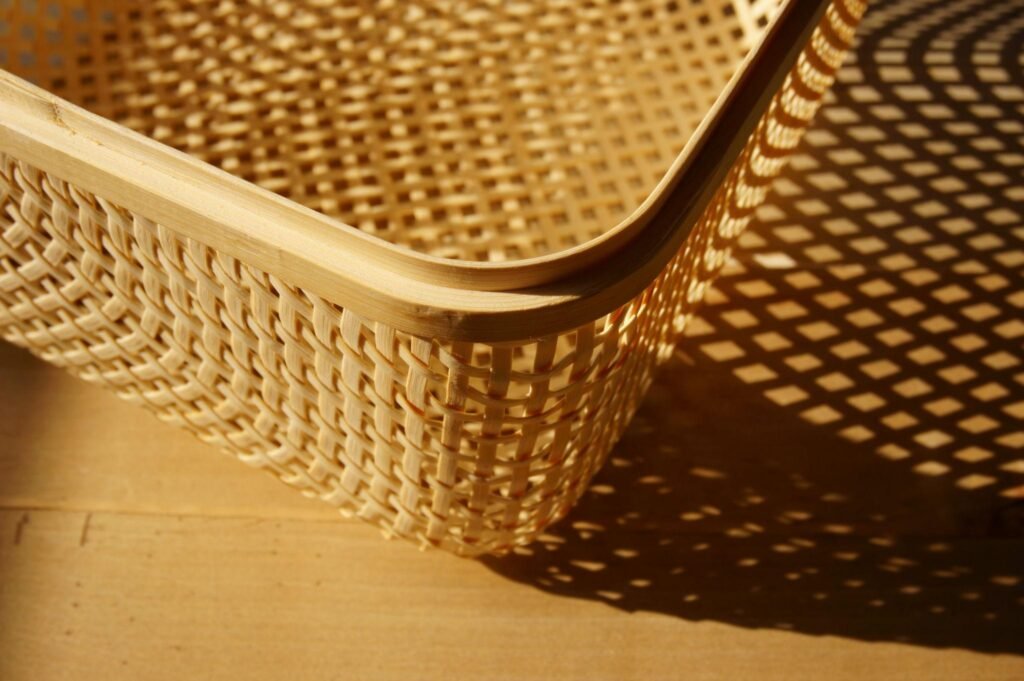
Natural materials have their own visual language.
Wood reveals grain and tonal variation. Woven fibres create texture through their structure. Bamboo offers a distinctive combination of natural colour, grain and lightweight construction.
These qualities can bring depth to an interior without relying on bright colours or elaborate decoration.
In a neutral room, a textured basket or a simple bamboo accessory can provide enough contrast to make the space feel more inviting.
3. Why Texture Matters in Interior Design
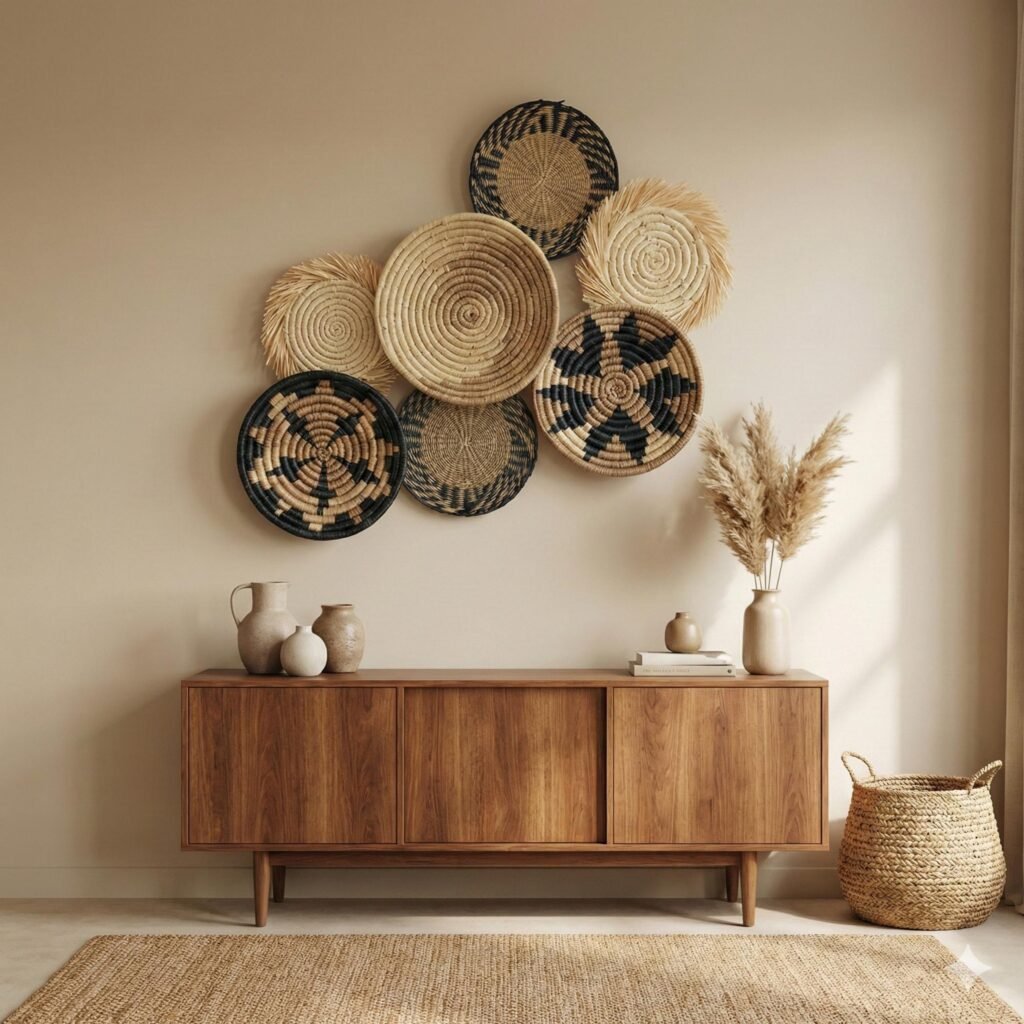
A room does not need many decorative objects to feel complete. Often, the combination of different textures creates more interest than the number of items on display.
Consider a simple living room with an ivory sofa, a wooden table and neutral walls. Adding a woven basket, a linen cushion or a natural-material tray can introduce subtle variation.
The result is a space that feels layered rather than crowded.
When working with natural textures, repetition helps. Use a few complementary materials across different areas of the room instead of introducing a new material in every corner.
4. Handmade Does Not Mean Imperfect Quality
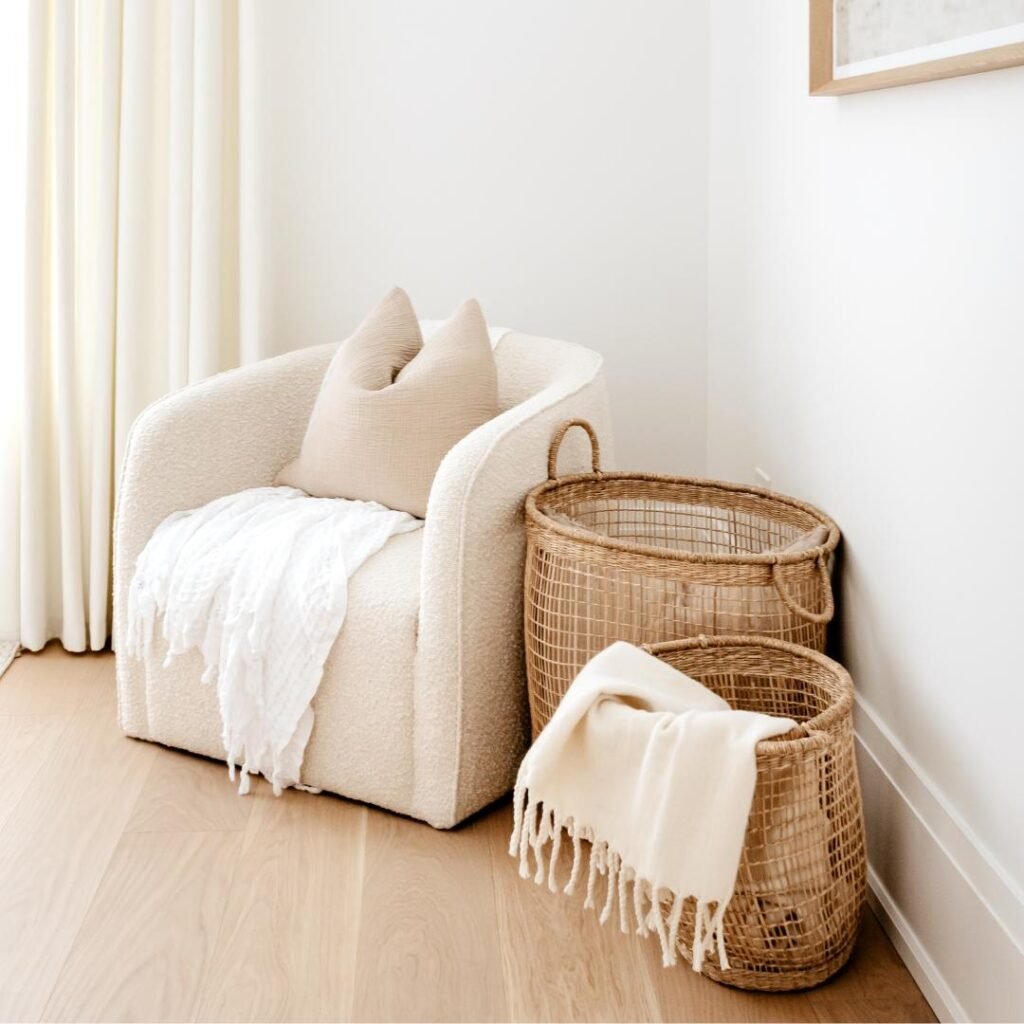
It is important to distinguish intentional variation from poor construction.
A handmade product should still be suitable for its purpose. Its structure should be stable, its finish appropriate and its materials fit for the way it will be used.
Before purchasing, consider the product’s construction, care requirements and intended use. Ask whether the visible variations are part of the design or signs of damage.
The appeal of craftsmanship should never come at the expense of safety, durability or functionality.
5. Choosing Objects That Feel Personal
The objects we keep in our homes can reflect our habits, preferences and experiences.
A tray used every morning, a basket that organises favourite books or a small accessory collected during a trip can become part of the rhythm of everyday life.
Rather than decorating an entire room at once, choose objects gradually. Think about what you use, what you enjoy looking at and what fits naturally into your surroundings.
This approach can help create a home that feels personal rather than copied from a catalogue.
A Different Way to Look at Everyday Objects
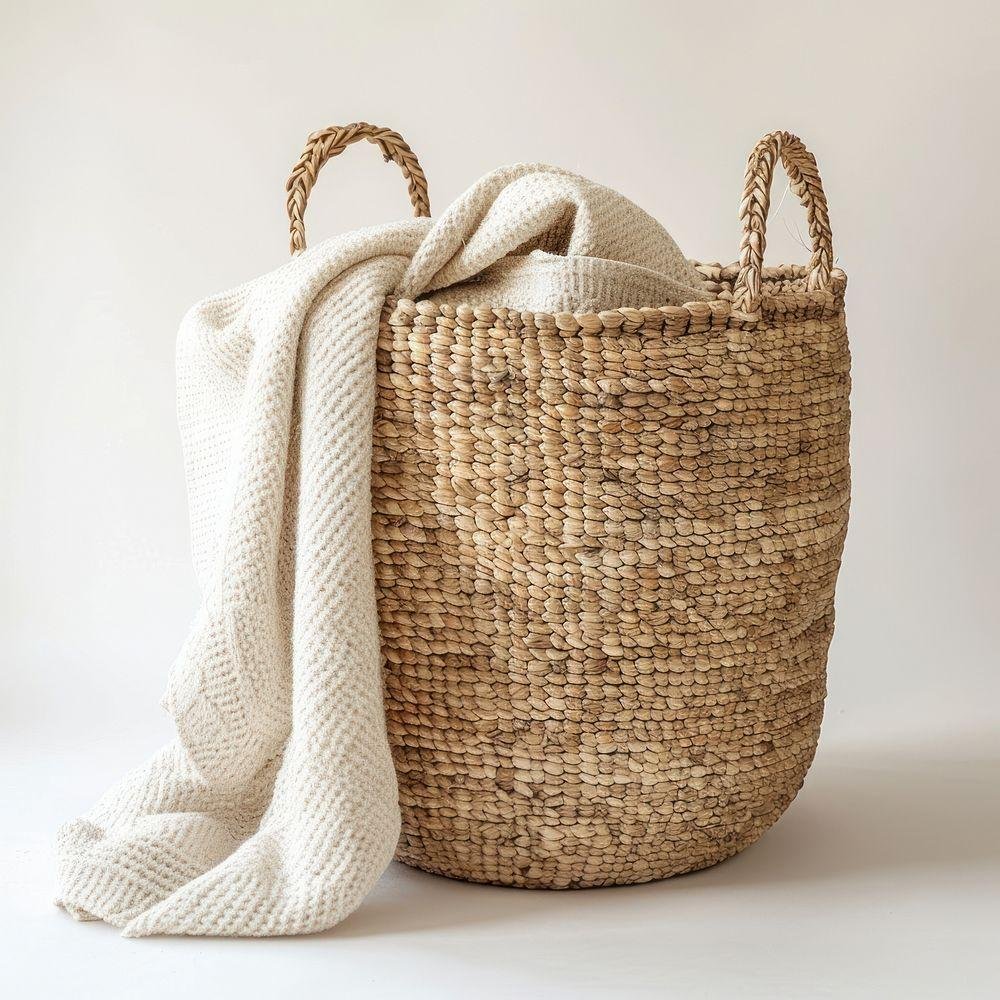
The beauty of handmade objects lies not only in how they look, but also in the attention given to their materials, construction and purpose.
Choosing them thoughtfully can encourage a more personal relationship with the things we use every day.
At BANS, we believe everyday objects can be functional, considered and connected to the natural materials around us. Sometimes, it is the small differences that make an object feel truly distinctive.
